Why The Reyes Cup Carries The Magician’s Name
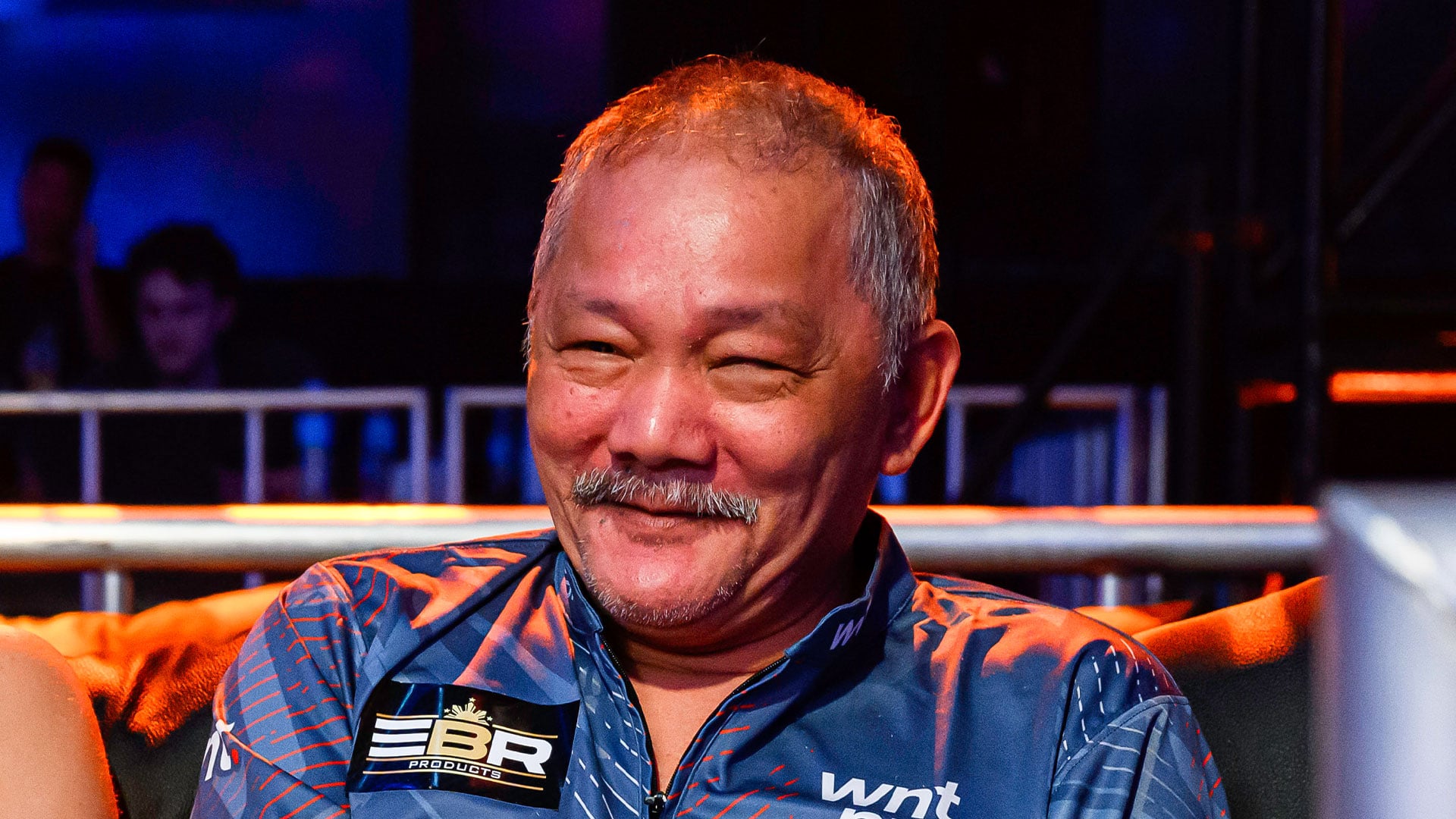
From Manila’s pool halls to an American breakthrough under the name Cesar Morales, Efren Reyes helped make Philippine pool famous around the world. This week, the competition bearing his name brings that legacy to Makati.
Before much of the American pool world knew Efren Reyes, it encountered Cesar Morales.
Competing under that name at the 1985 Red’s Nine-Ball Open in Houston, Texas, Reyes won against a field containing some of the strongest players in the game. An unfamiliar name had arrived from the Philippines and beaten established stars on their own ground.
The episode became part of pool folklore. Behind the assumed name was a player whose education had taken place thousands of miles away, in the pool halls of Manila.
More than four decades later, Reyes’ real name sits above an international team competition in his home country. Understanding why means looking beyond the trophies to what his success represented for Philippine pool.
From the pool hall to a national stage
 Reyes learned the game in his uncle’s Manila pool hall. As a child, he stood on drinks crates to reach the table, practising before customers arrived and after the room closed. The table was sometimes his bed as well as his classroom.
It was an upbringing rooted in a competitive pool culture where games could provide an income. Skill developed through hours at the table, watching opponents and finding solutions under pressure.
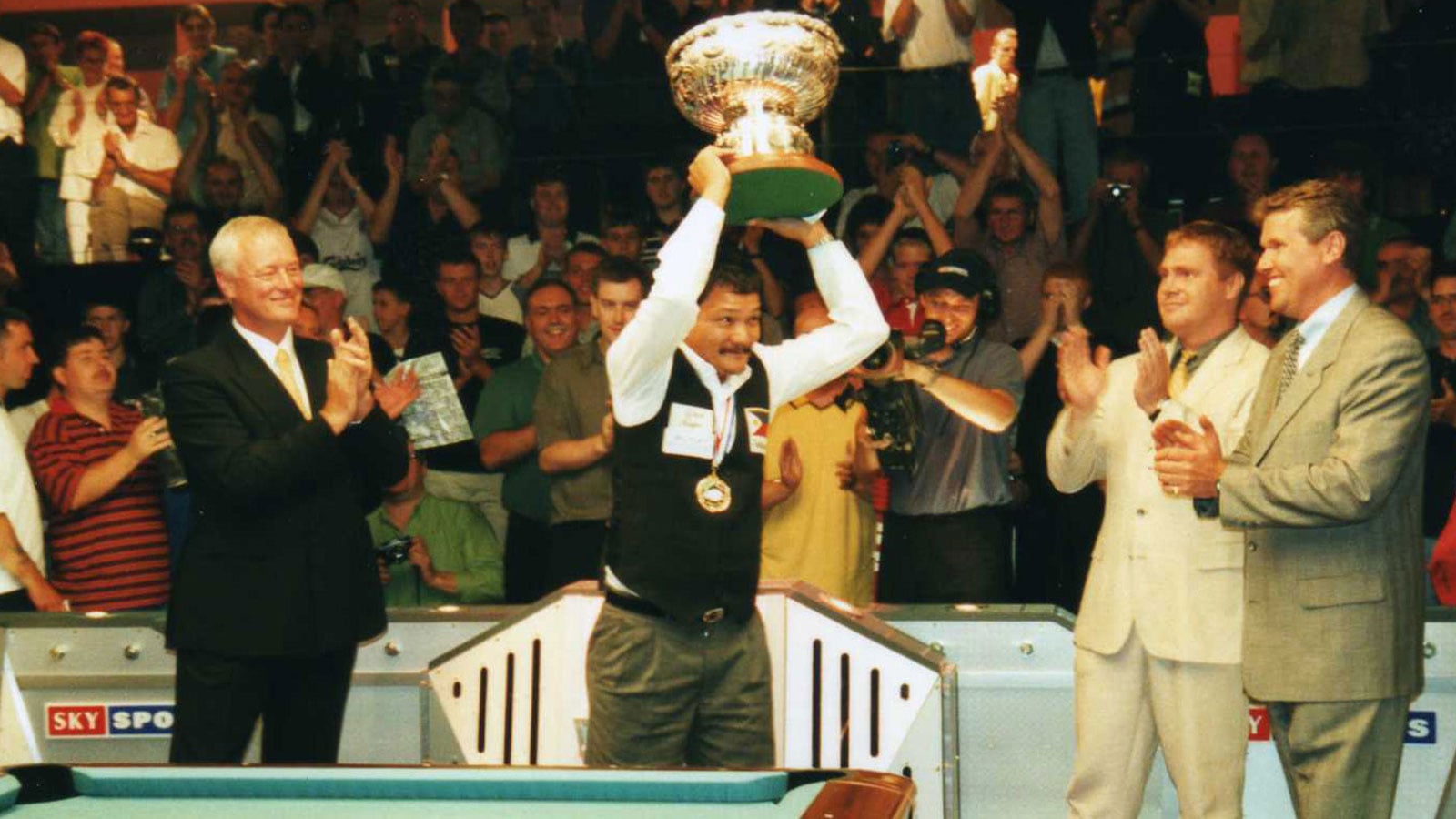
Reyes emerged from that world to become a figure recognised far beyond it. His 1999 World Pool Championship victory in Cardiff was a defining moment: Filipino viewers followed the televised contest late into the night, watching one of their own claim the title overseas.
The victory helped change how the sport was seen at home. A game often associated with money matches and pool halls became a source of national sporting pride. Reyes became a household name, while his modest manner helped preserve the connection with the people who saw him as their champion.
The man America met as Cesar Morales
The Houston victory had offered an earlier demonstration of the quality developing in the Philippines.
Reyes was not the only Filipino taking that talent overseas. Jose Parica was another pioneering figure in the country’s international pool story. But the arrival of Cesar Morales gave American audiences a particularly memorable introduction to the player who would become known worldwide as the Magician.
The name concealed his identity; his game soon made anonymity difficult.
Success in America continued, including the US Open title in 1994. Reyes showed that Houston had been the beginning of a lasting challenge to the established order.
For Philippine pool, those victories gave international visibility to a depth of talent that had already been competing fiercely at home. For the wider game, they helped make Filipino players opponents to study, respect and measure yourself against.
Why the Magician mattered
Reyes’ appeal has always involved how he plays as well as what he wins.
His background across rotation and carom billiards helped develop an extraordinary understanding of angles, cushions and cue-ball movement. Where a position appeared to offer little, Reyes could find a route that changed the possibilities of the table.
That imagination also travelled across disciplines. After arriving in America, he developed into an outstanding one-pocket player, applying his creativity to a game demanding patience, precision and an ability to see opportunities within difficult positions.
The Magician nickname captures that experience of watching him: the sense that he has noticed something everyone else has missed.
His influence therefore extends beyond an honours list. Reyes gave players and spectators new reasons to look closely at the game, to appreciate an escape or a carefully judged safety alongside a spectacular pot.
A partnership woven into Philippine pool
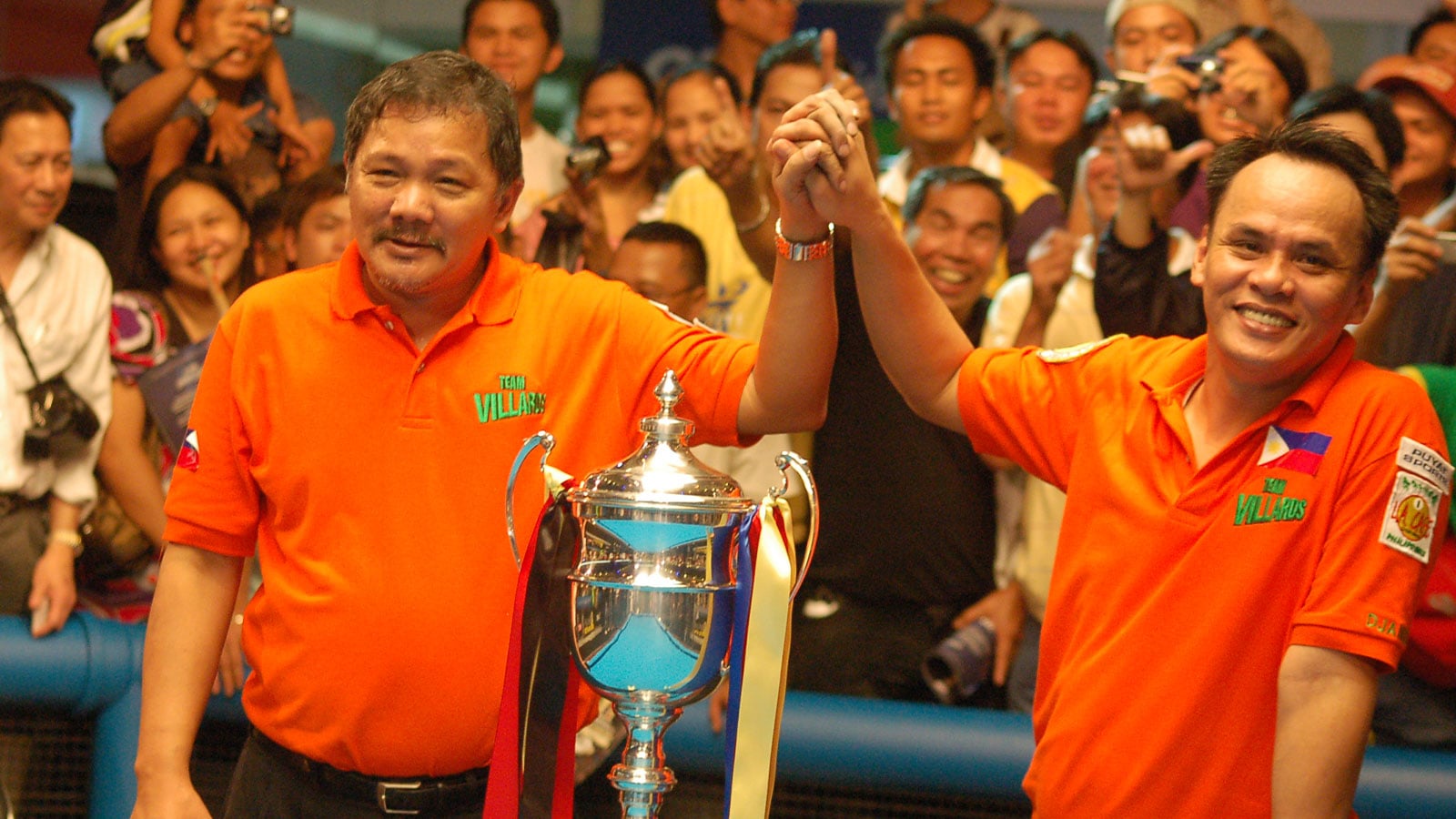 Reyes also shared some of his greatest moments with Francisco “Django” Bustamante. Their World Cup of Pool victories in 2006 and 2009 made them a celebrated partnership representing the Philippines.
The second triumph came against Germany’s Ralf Souquet and Thorsten Hohmann. This week, Bustamante and Souquet find themselves on opposing sides again, now as captains at the Reyes Cup.
That shared history gives the event a connection across generations. Bustamante leads a Team Asia featuring Carlo Biado and AJ Manas, alongside Duong Quoc Hoang and debutants Robbie Capito and Albert Januarta. Souquet takes charge of Rest of the World for the first time.
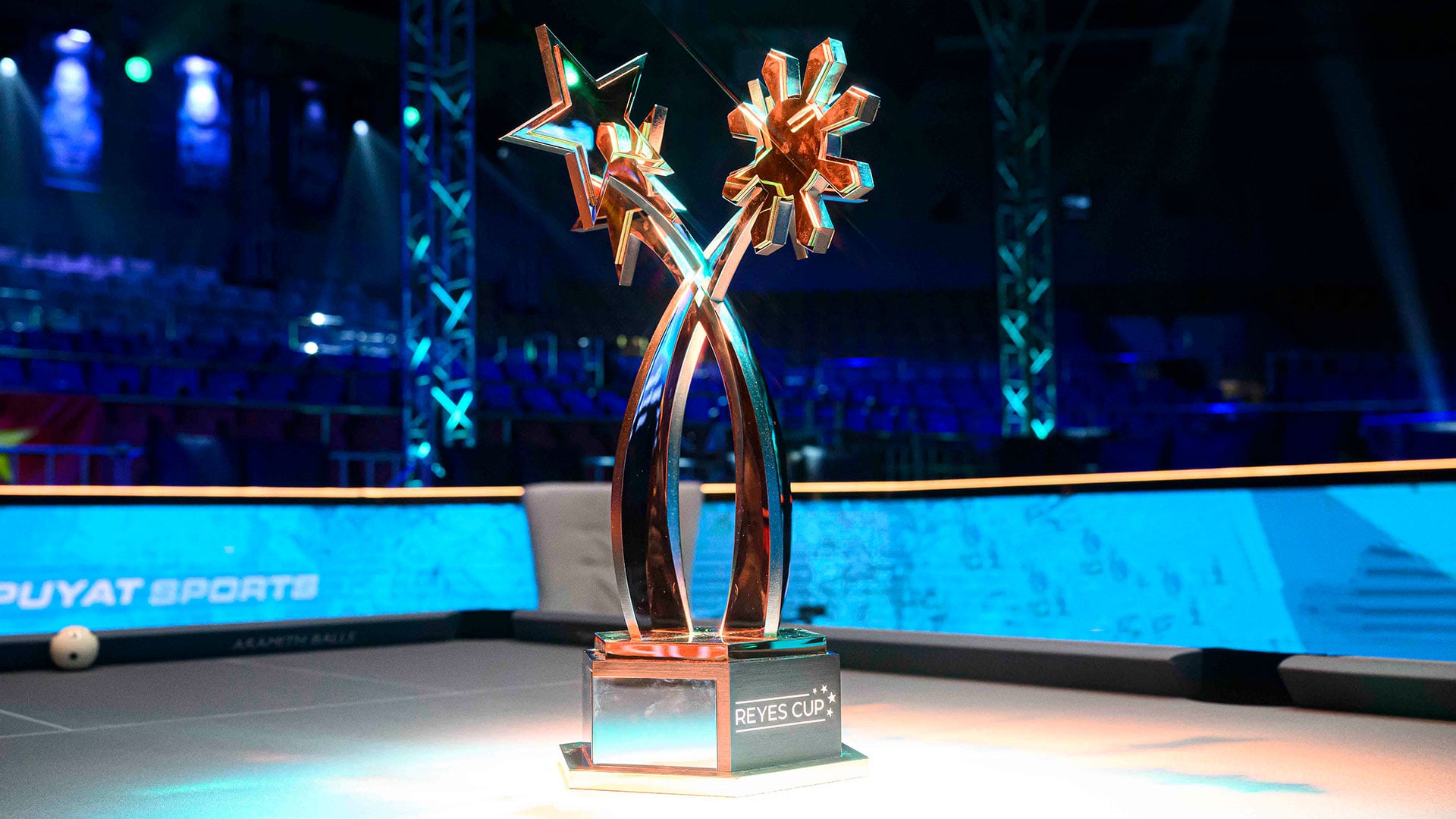
The players competing now have their own careers and ambitions. The trophy gives them a shared stage that honours one of the figures who helped establish the Philippines’ standing in the sport.
The next chapter in Makati
Launched in 2024 in partnership with Puyat Sports, the Reyes Cup brought an international team contest to the country that shaped its namesake.
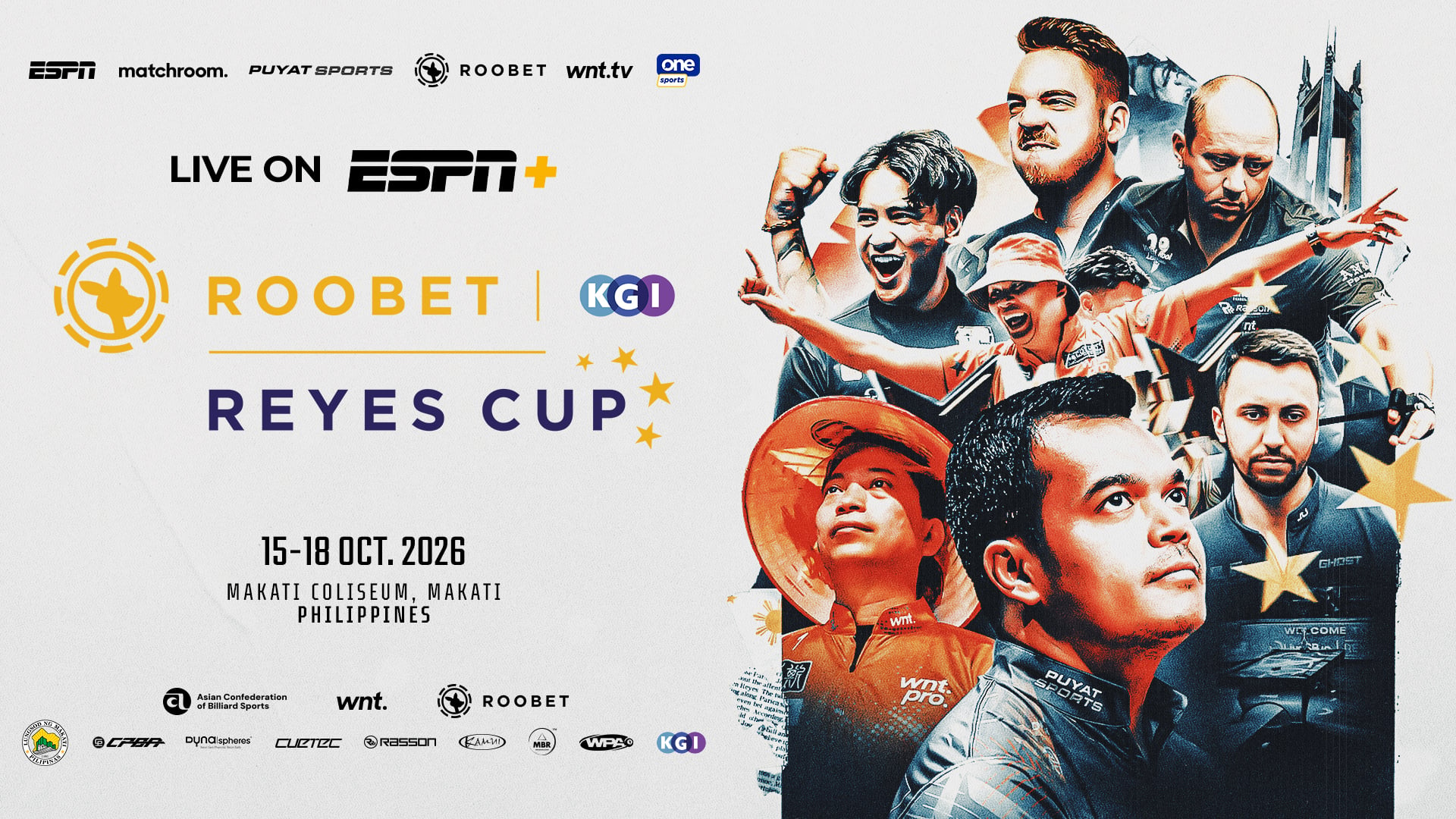
Asia won the inaugural edition against Europe and retained the trophy when the opposition expanded to Rest of the World in 2025. At Makati Coliseum from 15–18 October, they will pursue a third consecutive title.
For the home crowd, the name above the arena carries memories of much more than those first two editions. It recalls the player from Manila’s pool halls who arrived in America under another name, became a world champion and helped turn Philippine excellence at the table into a source of national pride.
The 2026 Roobet Reyes Cup takes place at Makati Coliseum from 15–18 October. Book your tickets to experience it in person, or follow the action through WNT TV in available territories and the event’s international broadcast partners. US viewers can also watch on ESPN+ on the ESPN App.